Castle Rocks Locksmiths Service Team
Local locksmith team
Jul 2, 2026 10 min read
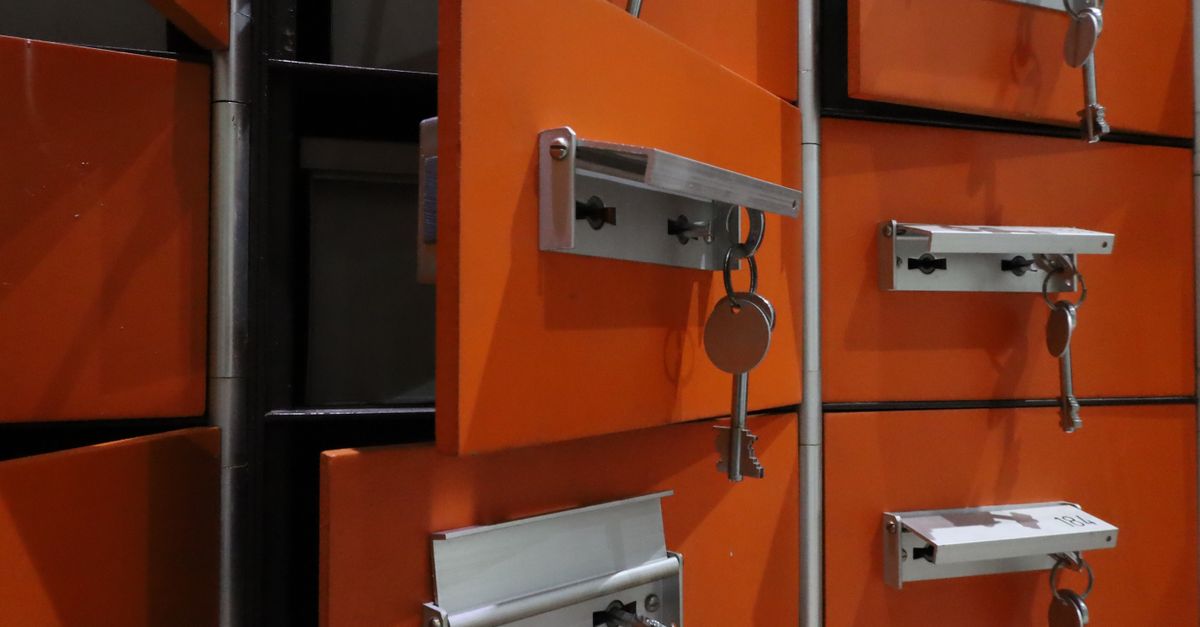
Running a business in Castle Rock — whether you're managing a retail shop on Perry Street, overseeing a medical office near Meadows Parkway, or operating a multi-unit commercial property along Plum Creek Parkway — means you're constantly juggling who has access to what. Doors left unlocked, keys shared between too many employees, or a former staff member still holding a key to your supply room can create real security headaches. A master key system is one of the most practical and cost-effective ways to take control of that access, and it's a solution that Castle Rock's Locksmiths helps local business owners design and install every day.
This guide breaks down exactly how master keying works, what hardware is involved (including the robust mortise lock systems that anchor most commercial installations), and how to think through an access plan that fits your specific operation. Whether you're setting up a new business or rethinking a system that has outgrown your needs, you'll find real, actionable guidance here — plus answers to the questions we hear most often from Castle Rock business owners.
## How a Master Key System Actually Works — No Jargon
A master key system is a hierarchy of keys, all operating within the same set of locks. At the base level, each individual key opens only one specific door — the supply closet key works only on the supply closet. One level up sits the master key, which opens every lock in the system. In larger organizations, you can add a grand master key above that, which overrides multiple master key groups across an entire building or campus. The magic happens inside the lock cylinder itself, where small metal components called pin stacks are cut to accept multiple shear points — one for the individual key, one for the master. A qualified locksmith like our team at Castle Rock's Locksmiths designs these pin configurations precisely so no accidental crossover occurs between key levels.
The most important hardware choice in a commercial master key system is the lock cylinder itself. While standard door knob locks and deadbolts can be master-keyed, the workhorse of serious commercial access control is the mortise lock. A mortise lock is installed directly into a pocket cut into the door edge, giving it far greater strength, smoother operation, and longer service life than surface-mounted hardware. Mortise lock cylinders also accept a wider range of keyway options, which is critical when you need a restricted keyway — a proprietary key blank that can't be duplicated at a hardware store without authorization. If your Castle Rock business handles sensitive inventory, patient data, or after-hours cash, a restricted mortise lock system is worth discussing with our commercial locksmith team.
## Designing Access Levels for Your Castle Rock Business — Commercial Locksmith Planning Guide
Before a single lock is changed, the most valuable step is mapping your access needs on paper. Start by listing every door in your facility and then assign each one a clearance level: who absolutely needs to enter, who should never enter, and who needs temporary or time-limited access. A retail shop on the Castle Rock Outlets corridor might have three zones — the sales floor (all staff), the stockroom (key holders only), and the manager's office (management only). A medical practice might add a fourth zone for medication storage that requires a separate, non-duplicable key. Once you have this map, our experienced team can translate it into a lock-and-key hierarchy that matches real-world usage without creating gaps or overlaps.
One scenario we see frequently in Castle Rock's growing business community: a company hires its first batch of employees and hands out copies of the same key to everyone because it's simple. A year later, there are a dozen keys floating around, two employees have left without returning theirs, and nobody is sure who has access to what. Retrofitting a master key system after the fact is absolutely doable — we rekeying existing mortise lock and cylindrical hardware all the time — but building the hierarchy from day one is cleaner and often less disruptive. If you're opening a new location or doing a build-out, call us at (303) 351-3287 and we'll walk through the design before a single lock is installed.
## Mortise Lock vs. Door Knob Lock — Choosing the Right Hardware for Master Keying
Business owners often ask why we recommend a mortise lock over a standard door knob lock for commercial master key systems. The short answer is durability and security depth. A door knob lock uses a cylindrical body that sits in a bored hole — fast to install, widely available, and perfectly adequate for interior residential doors or low-traffic office suites. But under commercial-grade daily use, the latch and locking mechanisms in cylindrical hardware wear faster, and the smaller cylinder size limits how many pin stack configurations a locksmith can build into the system before key crossover becomes a risk. A mortise lock, by contrast, has a much larger body set into the door itself. It houses a full latch bolt, dead bolt, and anti-rotation plate in one unified case, and its cylinder is long enough to support complex master key hierarchies with five or six levels if needed.
For businesses that need both security and aesthetics — think law offices near the Castle Rock courthouse, boutique retailers, or medical suites — mortise lock trim comes in a wide range of lever and escutcheon styles that look far more polished than a cylindrical knob. Our commercial locksmith team carries and installs hardware from manufacturers like Schlage, which offers ANSI Grade 1 mortise lock bodies that meet the highest commercial security ratings. When we quote a master key project, we'll show you the specific hardware options, explain how each performs under your usage conditions, and confirm a firm up-front price before any work begins — factors like the number of doors, lock type, keyway selection, and whether a restricted key system is needed all shape the final figure.
## Managing Keys Over Time — Rekeying, Audits, and Employee Turnover
A master key system is only as strong as your key control practices. The most secure hardware in the world can be compromised if a key is lost, copied without authorization, or simply not returned when an employee leaves. Castle Rock businesses — especially those in growth mode — need a clear key issuance policy: log every key distributed, record who received it, and have a plan for what happens at offboarding. With a restricted keyway system, you have a built-in advantage because duplication requires authorization from your locksmith on record. Without restriction, you're relying on employee honesty and your own records.
When a key is lost or an employee leaves under difficult circumstances, the right move is rekeying — not just changing the locks. Our mobile locksmith team can rekey the affected cylinders so the old key no longer works while every other key in the system continues to function exactly as before. This is far less disruptive and less costly than replacing hardware, and because we're a fully mobile operation, we come to your Castle Rock business location — no need to haul hardware to a shop or schedule around store hours. We're available around the clock, so if a security concern comes up on a Sunday night or a holiday, call (303) 351-3287 and our emergency locksmith team will respond.
## Services We Provide for Castle Rock Businesses and Beyond
Castle Rock's Locksmiths is a 24/7 mobile locksmith serving the Castle Rock area and surrounding Douglas County communities. Our team is trained, experienced, insured, and well-qualified across residential, automotive, and commercial locksmith work. Below is a snapshot of what we handle every day: commercial master key system design and installation, mortise lock installation and repair, mortise lock rekeying, restricted keyway system setup, door knob lock installation and replacement, deadbolt installation and upgrade, high-security cylinder upgrades, commercial door hardware installation, lock rekeying after employee departure, key control program setup, emergency lockout response for businesses and homes, car lockout service, transponder key programming, automotive key fob replacement, ignition switch repair and replacement, broken key extraction from locks and ignitions, mailbox lock replacement, safe opening and combination changes, access control consultation, padlock and hasp installation for storage and warehouse doors, window lock installation, sliding door lock repair, door frame and strike plate reinforcement, keypad and combination lock installation, and after-hours emergency locksmith dispatch across Castle Rock and the greater Douglas County area. Whether your need is urgent or planned, our mobile team brings the tools and parts to your location so work gets done on-site, on your schedule.
Frequently asked questions
Can a locksmith make a new key from a lock?+
Yes — this is called key origination or impressioning, and it's a standard skill for an experienced locksmith. If you've lost all copies of a key and don't have a spare, a qualified locksmith can decode the existing lock cylinder and cut a working key to match it. For master key systems, this also means we can create additional keys at any level of the hierarchy from the lock itself, without needing the original key as a template. It's worth noting that for high-security or restricted keyway systems, key origination requires the locksmith to verify ownership and authorization before proceeding — which is exactly the kind of accountability a good commercial key control program relies on.
How much does an emergency locksmith cost near me?+
The final price for emergency locksmith service depends on several factors: the type of lock or vehicle involved, the time of day (after-hours and weekend calls have different considerations than standard business hours), travel distance to your location, and any parts or hardware needed on-site. At Castle Rock's Locksmiths, we confirm an exact up-front price with you before any work begins — no surprise charges after the job is done. To get a specific quote for your situation, call us at (303) 351-3287 and describe what you need. We answer 24/7.
What is a locksmith call out fee?+
A call out fee — sometimes called a service call or dispatch fee — is a base charge some locksmiths apply just to travel to your location, separate from the cost of the actual work performed. Pricing structures vary across the industry, and the total you pay will depend on travel distance, time of day, and the complexity of the job. At Castle Rock's Locksmiths, we're transparent about how pricing is structured and will walk you through the full expected cost before we start. There are no hidden fees added after the fact. Call (303) 351-3287 to get a clear answer for your specific situation before you commit to anything.
How does master keying affect my existing locks — do I need to replace everything?+
Not necessarily. In many cases, existing lock cylinders can be reconfigured to work within a master key system through rekeying, which replaces the internal pin stacks rather than the entire lock body. This is especially common when the existing hardware is solid commercial-grade equipment worth keeping. However, if your current locks are low-grade cylindrical or door knob lock units that weren't designed for complex pin configurations, upgrading to mortise lock hardware is often the smarter long-term investment. Our commercial locksmith team will assess what you have in place during the consultation and recommend the most practical path forward — whether that's working with existing hardware, selectively upgrading certain doors, or designing a full new system from scratch.