What Is a Mortise Lock and Why Castle Rock Homes Have So Many of Them
A mortise lock is a lock body that is set into — mortised into — the thickness of the door itself rather than surface-mounted on the face. The body houses the latch, deadbolt, and any auxiliary functions in one unit, with a separate trim package of levers or knobs and a rose plate covering the opening on each door face. Because this design distributes force across a larger area of the door edge, it is inherently stronger than a cylindrical bored lock, which is exactly why builders specified them on commercial and high-quality residential doors throughout most of the twentieth century. In Castle Rock, the downtown corridor and older subdivisions along Front Street and Perry Street feature a remarkable concentration of pre-1970s entry doors still fitted with original mortise lock hardware — some of it over eighty years old and still functional, though often in need of professional attention.
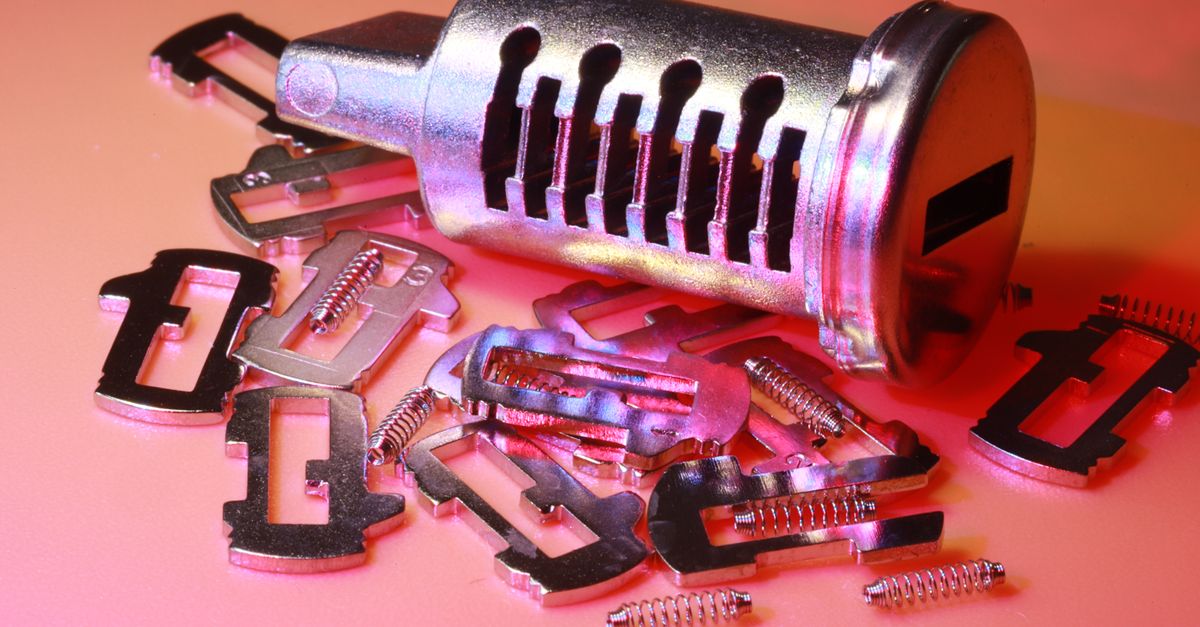
The lock body itself can contain a half-turn deadbolt, a spring latch, a deadlatch, and interconnecting cam mechanisms, all driven by the cylinder or a thumb turn on the interior. When any one of those internal components wears or breaks, the entire mortise lock set can become inoperable. Unlike a standard knob or deadbolt, a door knob lock that sits inside a mortise pocket cannot simply be drilled out and replaced with a big-box store substitute — dimensions, backset, and case height must match the existing pocket precisely. That is why working with an experienced locksmith who carries a varied stock of mortise bodies and trim is critical, especially for homes and commercial properties in the Castle Rock area where mismatched replacements could mean re-routing the door edge entirely.