Car Key Replacement by Vehicle Make and Model — What the Process Actually Involves
Not every key replacement follows the same path, and the make and model of your vehicle determines almost everything: the type of key blank required, the programming protocol the onboard computer expects, whether we need to clone an existing working key or perform a full EEPROM read when all keys are lost, and whether your car demands dealer-level software or accepts aftermarket OBD-port programming. A Ford F-150 owner losing one of two remotes faces a very different procedure than a Subaru Outback owner who has lost every key — in the Subaru scenario, for instance, the immobilizer may need to be fully re-registered to accept a new key identity. Our technicians carry multi-platform diagnostic hardware and an extensive library of key blanks and transponder shells specifically to handle this variability without ordering parts and making you wait days.
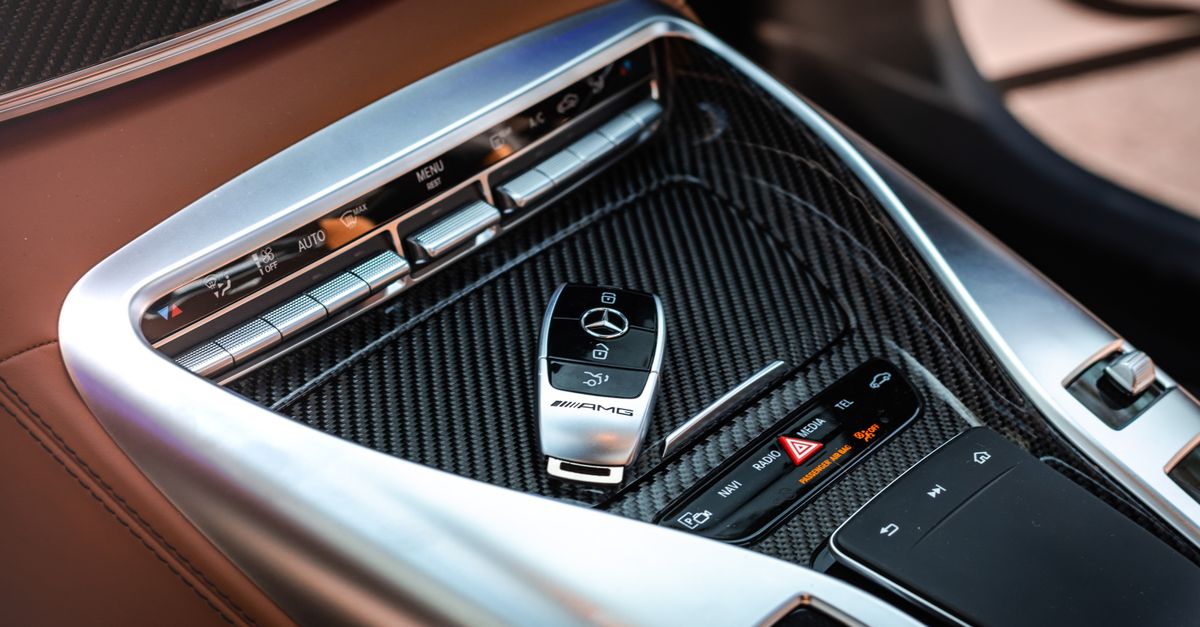
Here is a snapshot of the vehicle types and key technologies our mobile team works with regularly: traditional metal-cut keys with no chip (older domestic and import models), transponder keys with a glass or aftermarket chip embedded in the bow (T5, ID46, ID48, ID63, and many others), high-security laser-cut or sidewinder keys used on BMW, Mercedes-Benz, Audi, Volkswagen, and many GM vehicles, proximity smart keys for keyless entry and push-to-start systems on Toyota, Honda, Hyundai, Kia, Nissan, Ford, Chrysler, and others, switchblade flip-keys common on Volkswagen and some domestic models, and OEM-style remotes that require rolling-code synchronization after cutting. We also handle transponder key cloning, which is often faster than a full ECU re-flash when a working donor key is available.