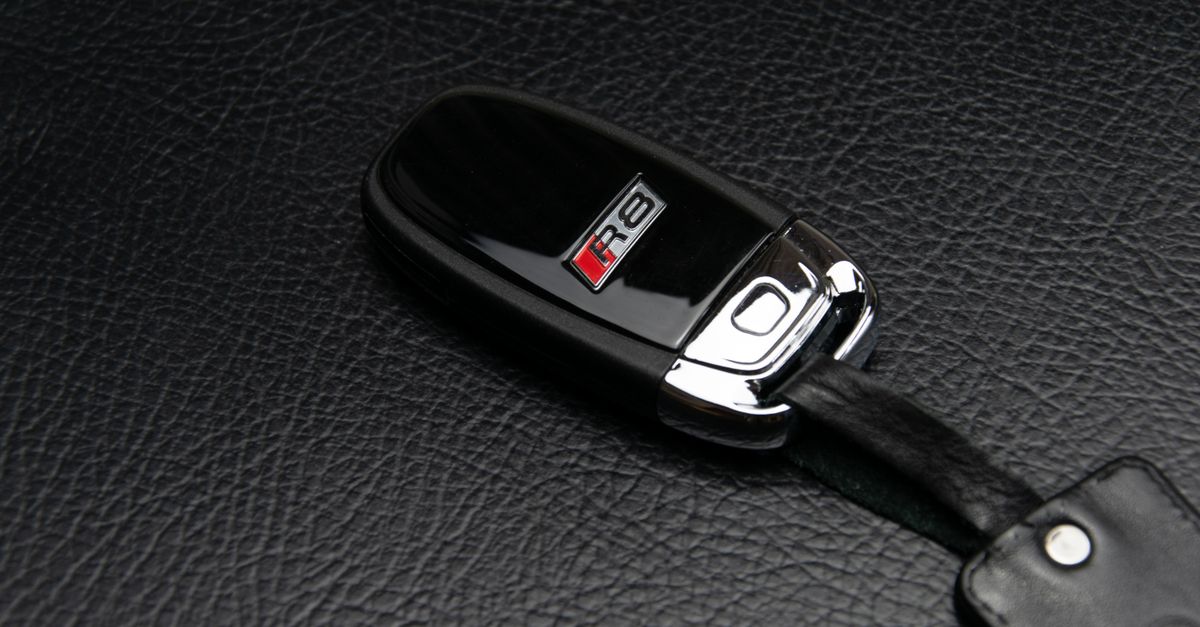
Audi Car Key Replacement: What Makes These Keys Different
Audi has used several distinct key technologies over the decades, and understanding which one your vehicle uses is the first step toward a correct replacement. Older Audi models used basic metal-cut keys with no electronics. Models produced through the 1990s and early 2000s began incorporating transponder chips — small passive RFID devices embedded in the key head that communicate with the vehicle's immobilizer system. If the immobilizer does not receive the correct signal from the chip, the engine will not start even if the key blade is cut perfectly. Mid-generation Audi models introduced remote flip keys and key fobs that combined a transponder with remote lock and unlock buttons, adding a second layer of programming to the replacement process. Newer Audi vehicles use proximity smart keys, sometimes called Audi Advanced Key, where you can lock, unlock, and start the car without ever removing the key from your pocket. These keys must be paired to the vehicle using manufacturer-level diagnostic protocols, which require specialized equipment that we carry on every truck.
Because each key type demands a different process — cutting, transponder cloning or programming, remote pairing, or full smart key enrollment — it is essential to work with someone who understands your specific Audi model year and trim. Our technicians arrive already knowing which tools and blank key stock are needed for the most common Audi platforms, allowing us to cut and program most keys on-site in a single visit. That means no towing, no waiting for parts to ship, and no scheduling around a service department's availability. If your Audi is stranded somewhere along Plum Creek Parkway or in a parking structure near the Castle Rock Outlets, we come to you.