Castle Rocks Locksmiths Service Team
Local locksmith team
May 21, 2026 13 min read
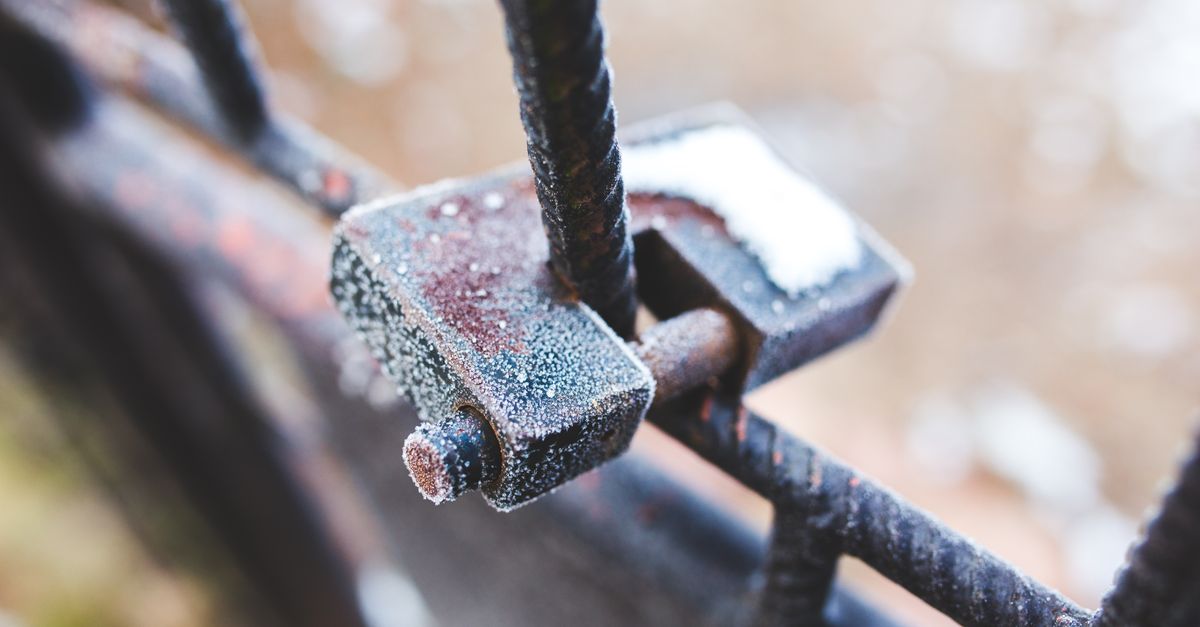
Castle Rock winters don't ease you in gently. One night the temperature drops through the floor along the Front Range, and the next morning you're standing in your driveway on Wilcox Street or outside your office near the Promenade at Castle Rock, turning your key and going nowhere — because your lock is frozen solid. It happens fast, and it's genuinely miserable, especially when you're already running late or trying to get the kids to school before the roads get worse.
The good news is that frozen and stuck locks are almost always preventable, and when prevention fails, there are safe, effective ways to deal with them — and a trained mobile locksmith team ready to come to you anywhere in the Castle Rock area, around the clock. This guide covers the real-world steps that actually work, explains why different lock types (including the mortise lock found on many older Castle Rock homes and commercial buildings) behave differently in the cold, and tells you exactly when to call in a professional rather than risk damaging your hardware.
## Why Castle Rock Locks Freeze — and Which Ones Are Most Vulnerable
Castle Rock sits at roughly 6,224 feet elevation on the divide between the Denver metro and the Black Forest highlands. That altitude means temperature swings here hit harder and faster than most of the Front Range. A lock freezes when moisture — from rain, snow melt, condensation, or even your breath — seeps into the keyway or the internal mechanism and then ices over as temperatures plummet overnight. This is most common in the late-fall shoulder season and during the hard cold snaps that roll through Douglas County in January and February, when overnight lows can fall well below zero.
Not all locks are equally vulnerable. Standard door knob locks are relatively simple inside, but their exposed keyways collect moisture easily. Deadbolts with wide keyways are similarly susceptible. Mortise locks — the beefy, rectangular lock bodies set into the door edge that you'll find on many older Castle Rock craftsman homes, historic downtown commercial buildings, and multi-family properties — are actually more complex internally and can seize up when moisture reaches the mortise case itself. Mortise lock mechanisms contain multiple moving parts (latch bolt, dead bolt, lever trim, and sometimes a night latch) all inside a single housing, so a hard freeze that works its way into the case can lock up more than one function at once. Car locks have their own pattern: the lock cylinder in a door handle and the ignition barrel are tightly toleranced, which means even a thin film of ice can bring them to a standstill.
## Prevention: Stop a Frozen Lock Before the Cold Snap Hits
The single most effective thing you can do is lubricate your locks before winter arrives — ideally in late October before the first hard freeze. The key word here is which lubricant you use. Avoid WD-40 as a lock lubricant; it is a water displacer, not a long-term lubricant, and it can attract dirt and gum up a mortise lock case over time. Instead, use a dry graphite lubricant (sold as a powder or spray) for deadbolts and door knob locks, or a Teflon-based dry lubricant for car door lock cylinders. For a mortise lock, a small amount of lock-specific grease applied to the bolt and latch mechanism — not inside the keyway itself — keeps the internal components moving even in extreme cold. Work the key in and out several times after applying so the product distributes through the cylinder.
For exterior doors, check that your door sweep and weatherstripping are sealing properly. A good seal prevents the kind of wind-driven moisture intrusion that leads to frozen lock cylinders in the first place. If your Castle Rock home has a covered entryway or a front porch, that physical shelter alone significantly reduces freeze risk compared to a fully exposed door. For vehicles, a silicone spray or Teflon-based product applied to rubber door seals prevents the door itself from freezing shut — a separate but equally frustrating problem. Keep a small tube of de-icing fluid in your coat pocket or glove box so it is always on your person, not inside the car you can't open. And consider having a spare key stored with a trusted neighbor or family member — not in a magnetic box under a wheel well, which thieves know to check.
## Thawing a Frozen Lock: Safe Methods That Actually Work
When prevention has already lost the battle and you are standing in front of a frozen lock, the goal is to melt or loosen the ice without damaging the cylinder, the finish, or — in the case of a mortise lock — the internal case components. Start with a commercial lock de-icer spray, which uses isopropyl alcohol or a similar compound to melt ice fast and safely inside the keyway. Insert the straw nozzle and give a short burst, wait fifteen seconds, then gently try the key. Do not force the key; if it meets serious resistance, apply a second dose and wait again. Forcing a frozen cylinder is the number one cause of snapped keys and damaged lock mechanisms in winter.
For a frozen car door lock cylinder, hand sanitizer (which is largely isopropyl alcohol) applied with your finger to the key before insertion can work in a pinch. A hair dryer or heat gun set to low heat can warm a frozen residential deadbolt or mortise lock from outside, but keep it moving — concentrated heat on a metal finish can discolor or warp trim plates. Never use an open flame. For car doors frozen shut (not the lock itself, but the seal), pulling firmly and evenly on the handle often breaks the ice seal; if it doesn't yield in two or three tries, apply a rubber-seal lubricant or de-icer around the door gap. If you have a frozen mortise lock on a commercial property and the door is not opening despite your best efforts, this is the point to call a professional — the internal mechanism of a mortise lock is not something to probe or force without the right tools, as you can bend the bolt or damage the trim, making a simple service call into a full lock replacement.
## When to Call an Emergency Locksmith Castle Rock — and What to Expect
There is a clear line between a lock that responds to a de-icer and one that needs a trained set of hands. If your key turns but the bolt or latch does not move, the lock mechanism is seized internally — for a mortise lock, this often means the case itself needs professional attention. If your key will not enter the cylinder at all and de-icer has not changed that after two or three applications, ice may have packed the keyway deeply or the cylinder may have been damaged by a previous forced attempt. If you have snapped a key in the lock, stop immediately — attempting to extract a key fragment without the right tools almost always makes removal harder and more expensive. In any of these situations, our mobile locksmith team can come directly to your location, whether that is a home off Plum Creek Parkway, a business near the Factory Shops, or a car stranded in a parking lot along Meadows Parkway.
Our team operates 24 hours a day, seven days a week, every single day of the year — including the nights when Castle Rock gets the worst of a Douglas County cold snap. When you call (303) 351-3287, a real person answers. We will ask for your location, the type of lock or vehicle involved, and the situation, and we will give you a confirmed, exact price before any work begins. The factors that shape that quote include the type of lock (a standard door knob lock, a deadbolt, a mortise lock, or a vehicle lock all involve different skill levels and tools), the time of day, the travel distance to your location, and whether any parts — such as a new cylinder or a mortise lock component — are needed. There are no surprise charges added after the fact. We are insured, and every member of our team is trained and experienced in the specific demands of Colorado winter service conditions.
## Our Services: Home, Automotive, and Commercial — All in One Mobile Team
One reason Castle Rock residents and businesses call us again and again is that we handle the full range of lock and key needs from a single, fully equipped mobile unit — no referrals to other shops, no waiting for a specialist. For homeowners, our services include residential lockouts, deadbolt installation and re-keying, mortise lock service and replacement, door knob lock replacement, smart lock installation (including Schlage and Kwikset smart deadbolts), master key system setup, sliding door lock repair, window lock installation, garage door lock service, key duplication, broken key extraction, and security consultations for new and existing homes. For drivers, we cover car lockouts for all makes and models, new car key cutting, transponder key programming, key fob replacement and programming, ignition lock cylinder service, and broken key extraction from ignitions and door cylinders. For local businesses — from the retail shops along Castle Rock's historic downtown to the office parks near the I-25 corridor — we offer commercial lockouts, mortise lock installation and repair, high-security deadbolt installation, access control system installation, master key and grand master key systems, panic bar and exit device installation, file cabinet and desk lock service, mailbox lock replacement, keypad and electronic lock installation, lock re-keying after staff changes, and after-hours emergency commercial locksmith response. We carry parts for the most common lock types on our truck so that most jobs are completed in a single visit — no second appointment, no delays.
Whether you need a single frozen cylinder thawed and re-lubricated or a full mortise lock overhaul on a commercial door, our qualified team brings the same careful, thorough approach. We know the Castle Rock area — the older neighborhoods near the historic water tower, the newer construction along Scott Boulevard, the commercial strips that serve the growing population along the I-25 corridor — and we reach you fast because this is our community too. If you are dealing with a lock emergency right now, do not wait: call (303) 351-3287 and we will get someone to you.
## Castle Rock Context: Local Conditions, Local Knowledge
Castle Rock is not just a generic Colorado suburb. It is a genuine community with a character shaped by its position on the Dawson Butte ridge, its late-1800s railroad history, and the rapid growth that has made Douglas County one of the fastest-growing counties in the state. That growth means the housing stock here spans everything from Victorian-era homes near Perry Street with their original mortise locks still in the doors, to brand-new smart-home builds in Crystal Valley that need transponder key programming and electronic access setup. It also means our team regularly works across a wide range of lock hardware — we do not just see one type of door or one type of problem.
The area's elevation and exposure mean that the cold snaps this guide describes are not occasional inconveniences — they are a reliable part of Castle Rock life every winter. When the temperature drops and the wind picks up off the Palmer Divide, locks freeze, doors stick, and car key fobs stop communicating with frozen cylinders. Being prepared is partly about having the right products on hand, and partly about having a number in your phone for the moments when preparation was not quite enough. We are that resource for Castle Rock — a 24/7 mobile emergency locksmith service built specifically to serve this community, its homes, its businesses, and the people driving its roads at any hour.
## Frequently Asked Questions About Frozen Locks and Emergency Locksmith Service
Below are some of the questions we hear most often from Castle Rock residents and drivers dealing with winter lock problems — answered directly and honestly.
Frequently asked questions
Can a locksmith make a new key from a lock?+
Yes, a skilled locksmith can decode a lock cylinder and cut a new key to match it — a process called key impressioning or decoding, depending on the method. For most residential deadbolts, door knob locks, and mortise locks, this is a routine service. For modern vehicle keys with transponder chips or smart keys with rolling codes, the locksmith also needs to program the new key to the car's immobilizer system, which requires specialized equipment. If you have lost all copies of a key and have no spare, this is exactly the service to ask for. The cost depends on the complexity of the lock or vehicle, whether programming is needed, and whether a blank key needs to be ordered or is available on the truck.
How much does an emergency locksmith cost near me?+
There is no single fixed price for emergency locksmith service because several factors shape every quote: the type of lock or vehicle involved (a mortise lock requires different tools and expertise than a standard deadbolt or a car door lock cylinder), the time of day the call comes in, travel distance to your location, and whether any parts — such as a replacement cylinder, a new mortise lock case, or a transponder key blank — are needed. What we can tell you clearly is that we confirm an exact, up-front price before any work begins, so you always know what you are agreeing to. There are no charges added after the job is done. Call (303) 351-3287 and we will give you a straight answer the moment we understand your situation.
What is a locksmith call out fee?+
A call out fee (sometimes called a service call fee or trip charge) is an amount some locksmith services charge simply for traveling to your location, separate from the labor and parts cost. Practices vary across the industry. What matters most is that you understand the full, all-in price before you agree to any work. When you call us, we ask about your location, lock type, and the situation, then give you one confirmed price that covers the visit — no itemized surprises after the fact. If the job scope changes once we arrive (for example, a frozen lock turns out to have a damaged cylinder that needs replacement), we tell you the revised price before we do anything additional.
What should I do if my key breaks off inside a frozen lock?+
Stop trying to extract it yourself with tools you have on hand — pins, paperclips, and pocket knives almost always push the fragment deeper into the cylinder or scratch the internal components, making professional extraction harder. If the break happened because the lock was frozen, do not apply force to the remaining stub. Instead, call a trained locksmith immediately. We carry professional key extraction tools designed for this exact situation and can remove the fragment without damaging the cylinder in most cases. If the cylinder is damaged and needs replacement — or if the lock is a mortise lock where the broken key has seized the bolt mechanism — we can assess that on-site and give you a clear picture of what the repair involves before we proceed.